What is Real-World Asset Tokenisation? Understanding RWA Tokenisation
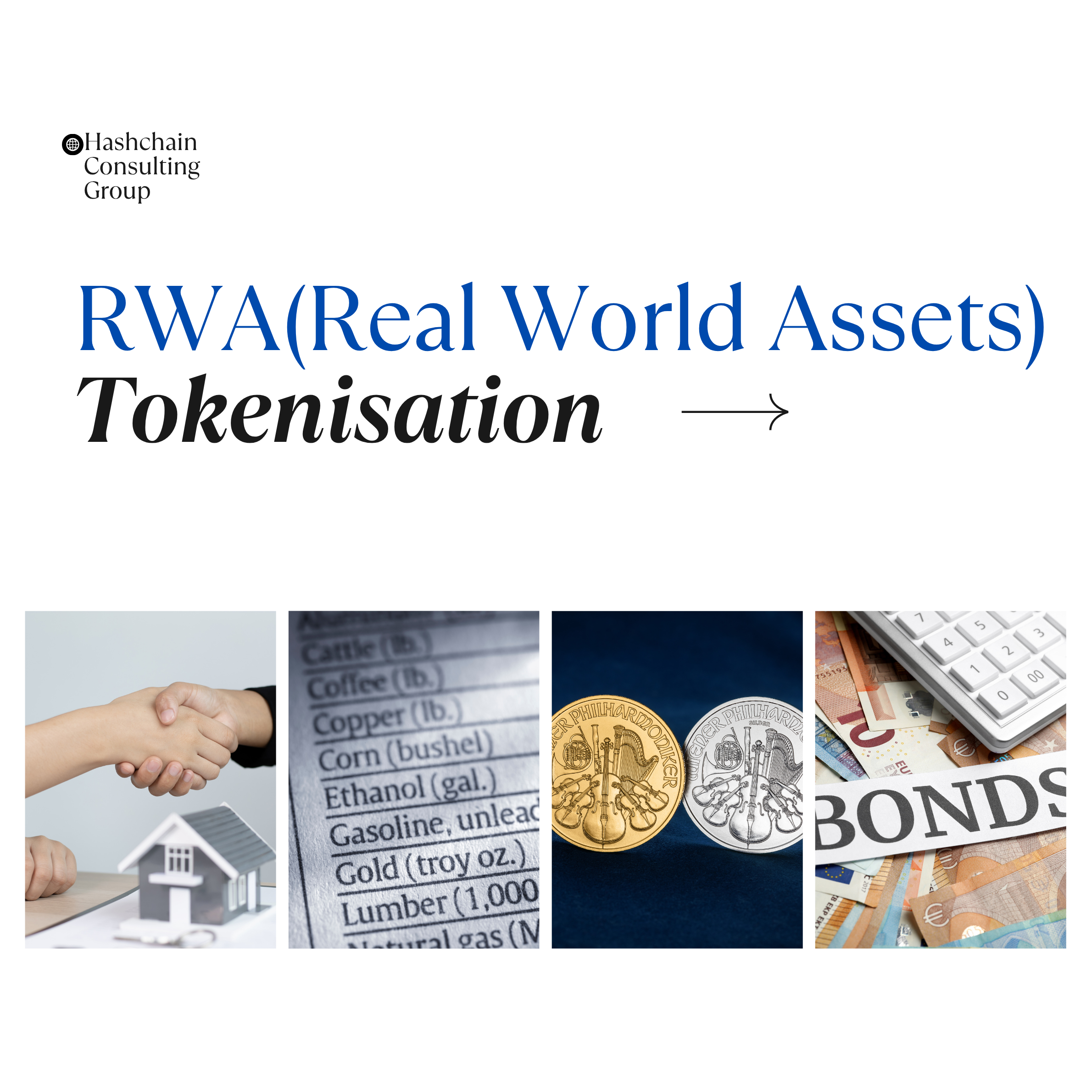
Real-world asset tokenisation (RWA tokenisation) revolutionises traditional ownership models through blockchain technology. The tokenisation process converts physical assets like real estate, commodities, and bonds into digital tokens representing ownership rights. These blockchain-based tokens function as tamper-proof certificates of ownership on distributed ledger systems.
Asset tokenisation creates blockchain-based representations of tangible assets including real estate tokenisation, precious metals, corporate bonds, and artwork. Each digital asset token contains embedded smart contracts that automate ownership verification and transfer processes.
RWA tokenization platforms eliminate traditional barriers to investment participation. Previously illiquid markets become accessible through fractional ownership structures. A single tokenised real estate property worth $1 million can be divided into 1,000 security tokens, each representing $1,000 of ownership value.
How to Tokenise Real-World Assets: The Complete Tokenisation Process
Asset Selection for Tokenisation Platforms
The asset tokenisation process begins with strategic asset selection based on market demand and regulatory compliance. High-value real estate, commodity reserves, and income-generating assets prove most suitable for digital asset tokenisation. Legal ownership must be clearly established before proceeding with tokenisation initiatives.
Asset valuations require independent third-party assessments to determine accurate market prices. Professional appraisers utilize comparable sales data and income projections to establish baseline values. These valuations form the foundation for token pricing and distribution strategies.
Token Standards and Smart Contract Development
Blockchain token standards determine the technical framework for digital asset creation. ERC-20 tokens enable fungible representations suitable for divisible assets like tokenized real estate shares. ERC-721 NFTs (non-fungible tokens) work better for unique assets such as individual artworks or collectibles.
Technical parameters include total token supply, decimal places for fractional ownership, and transfer restrictions. Smart contract specifications must address compliance requirements and automated dividend distributions. Security audits verify contract code integrity before deployment on blockchain networks.
Regulatory Compliance for Asset Tokenisation
Legal structuring typically involves establishing special purpose vehicles (SPVs) to hold underlying assets. These entities issue security tokens representing ownership stakes or beneficial interests in the asset portfolio. Tokenisation regulations vary significantly across jurisdictions, requiring careful navigation of securities laws.
The legal structure must clearly define investor rights, voting mechanisms, and exit procedures. Compliance protocols address anti-money laundering (AML) and know-your-customer (KYC) requirements. Legal documentation includes offering memorandums, subscription agreements, and ongoing reporting obligations.
DeFi Integration and Automated Asset Management
Blockchain-based smart contracts automate critical tokenisation functions including ownership tracking and benefit distribution. These self-executing contracts eliminate intermediary involvement in routine transactions. Automated rent collection and dividend payments reduce operational overhead while ensuring timely distributions.
Smart contracts enforce transfer restrictions and compliance requirements programmatically. Investor accreditation verification and holding period limitations are embedded within contract logic. Multi-signature wallets provide additional security layers for high-value asset management.
Token Launch and Digital Asset Distribution
Token minting occurs after completing legal documentation and technical infrastructure development. Initial distributions may target specific investor categories through private placements or public token offerings. Pricing mechanisms consider asset valuations, market conditions, and investor demand projections.
Marketing strategies emphasize fractional ownership benefits and enhanced liquidity prospects. Educational content helps potential investors understand tokenization advantages over traditional investment vehicles. Professional marketing teams coordinate outreach to qualified investor networks.
Secondary Market Trading and Liquidity Solutions
Digital asset exchanges provide platforms for token trading after initial distribution completion. These markets enable price discovery and liquidity enhancement compared to traditional asset classes. 24/7 trading availability increases market accessibility for global investor participation.
Market makers may provide liquidity support during initial trading periods. Trading volume typically increases as investor awareness and market maturity develop over time. Regulatory approval for exchange listings varies by jurisdiction and token classification.
Benefits of Real-World Asset Tokenisation: Why Tokenize Assets?
Fractional Ownership and Investment Accessibility
Asset tokenisation enables asset division into smaller, affordable investment units. A $10 million commercial property can accommodate 10,000 investors with $1,000 minimum investments. This democratisation of investment expands market participation beyond high-net-worth individuals and institutional investors.
Fractional ownership models reduce concentration risk within individual portfolios. Investors can diversify across multiple asset classes and geographic regions with limited capital requirements. Portfolio diversification becomes achievable for retail investors previously excluded from premium asset markets.
Enhanced Liquidity through Tokenisation Technology
Traditional real estate investments require months or years for complete asset sales. Tokenised assets trade on digital exchanges within minutes of transaction initiation. This liquidity enhancement reduces holding period risk and enables more dynamic portfolio management strategies.
Market efficiency improves through continuous price discovery mechanisms. Real-time trading data provides accurate asset valuations compared to infrequent traditional appraisals. Price transparency benefits all market participants through improved information availability.
Blockchain Transparency and Security Features
Distributed ledger technology creates immutable ownership records that eliminate fraud possibilities. Transaction histories remain permanently accessible for audit and verification purposes. Blockchain transparency levels exceed traditional asset management through public ledger visibility.
Smart contract automation reduces counterparty risk through programmatic execution of agreement terms. Trust mechanisms operate independently of human intervention, reducing operational disputes. Digital accountability increases through permanent transaction trail documentation.
Cost Efficiency and Automated Processes
Automated tokenisation processes eliminate many traditional intermediaries including transfer agents and custodial services. Smart contracts handle routine administrative tasks such as dividend distributions and ownership transfers. Cost reduction benefits investors through reduced management fees and operational expenses.
Settlement processes complete within hours rather than weeks required for traditional transactions. Operational efficiency gains reduce administrative burden while improving investor experience. Streamlined operations enable focus on asset performance rather than procedural management.
Tokenisation Challenges and Risk Management in Asset Tokenisation
Regulatory Uncertainty and Compliance Requirements
Legal frameworks for tokenised assets remain under development across most global jurisdictions. Regulatory classifications determine applicable securities laws and compliance requirements. Legal uncertainty regarding future regulatory changes creates implementation challenges for tokenization projects.
Compliance costs can be substantial, particularly for cross-border offerings involving multiple regulatory regimes. Legal opinions and ongoing compliance monitoring require specialized expertise. Regulatory risk may affect token tradability and investor participation levels.
Technology Infrastructure and Blockchain Security
Blockchain platforms must handle high transaction volumes while maintaining security standards. Scalability challenges emerge as trading activity increases beyond network capacity limits. Technical complexity requires specialized development teams and ongoing maintenance resources.
Cybersecurity risks include smart contract vulnerabilities and private key compromises. Security protocols must protect against hacking attempts and unauthorized access. Technical failures could result in asset access loss or transaction processing disruptions.
Market Adoption and Liquidity Development
Trading volumes for new tokenised assets often remain limited during initial market periods. Liquidity risk persists until sufficient market depth develops through increased participation. Market making services may be necessary to support trading activity and price stability.
Investor education requires significant effort to explain tokenisation benefits and risk factors. Adoption barriers include unfamiliarity with blockchain technology and digital wallet requirements. Market development depends on sustained outreach and educational initiatives.
Real-World Asset Tokenisation Market Trends and Future of Tokenisation
Financial Institution Adoption of Tokenisation Platforms
Major banks and investment firms are developing enterprise tokenisation platforms for client asset management services. Institutional adoption validates the technology while providing regulatory legitimacy. Traditional finance integration bridges existing investment infrastructure with blockchain innovations.
Central banks are exploring digital currencies and tokenized government securities. CBDC initiatives may accelerate broader tokenization acceptance across financial markets. Regulatory clarity typically follows institutional involvement and government pilot programs.
Real Estate Tokenisation Market Expansion
Property tokenisation represents the largest current application of RWA technology. Real estate markets benefit significantly from enhanced liquidity and fractional ownership capabilities. Market size projections indicate substantial growth potential reaching $3.7 trillion by 2030.
Commercial properties, residential developments, and REITs are incorporating tokenisation strategies. Geographic expansion enables global investment in previously inaccessible markets. Cross-border real estate investment flows increase through simplified transaction processes.
Emerging Asset Classes and Tokenisation Innovation
Intellectual property tokenisation enables fractional ownership of patents, copyrights, and trademarks. Revenue-sharing models distribute licensing income to token holders automatically. IP tokenisation creates new investment categories beyond traditional alternatives.
Carbon credit tokenization, renewable energy projects, and sustainability initiatives utilize tokenization for environmental finance. ESG investing benefits from transparent impact tracking through blockchain technology. Green finance markets expand through improved accessibility and verification mechanisms.
Conclusion: The Future of Asset Tokenisation
Real-world asset tokenisation represents a fundamental shift toward digital ownership models that enhance market accessibility and operational efficiency. The technology eliminates traditional barriers while creating new opportunities for global investment participation. Regulatory development and technological advancement will determine the pace of mainstream adoption across diverse asset classes.
The transformation promises democratised access to premium investment opportunities previously reserved for institutional investors. Blockchain technology provides the infrastructure necessary for secure, transparent, and efficient asset management in the digital economy. Market evolution toward tokenised assets appears inevitable as benefits become increasingly apparent to investors and asset managers alike.
Getting started with asset tokenisation requires understanding regulatory requirements, selecting appropriate tokenisation platforms, and implementing robust security protocols. The tokenisation market continues expanding as more asset classes adopt blockchain-based solutions for enhanced liquidity and investor accessibility.