
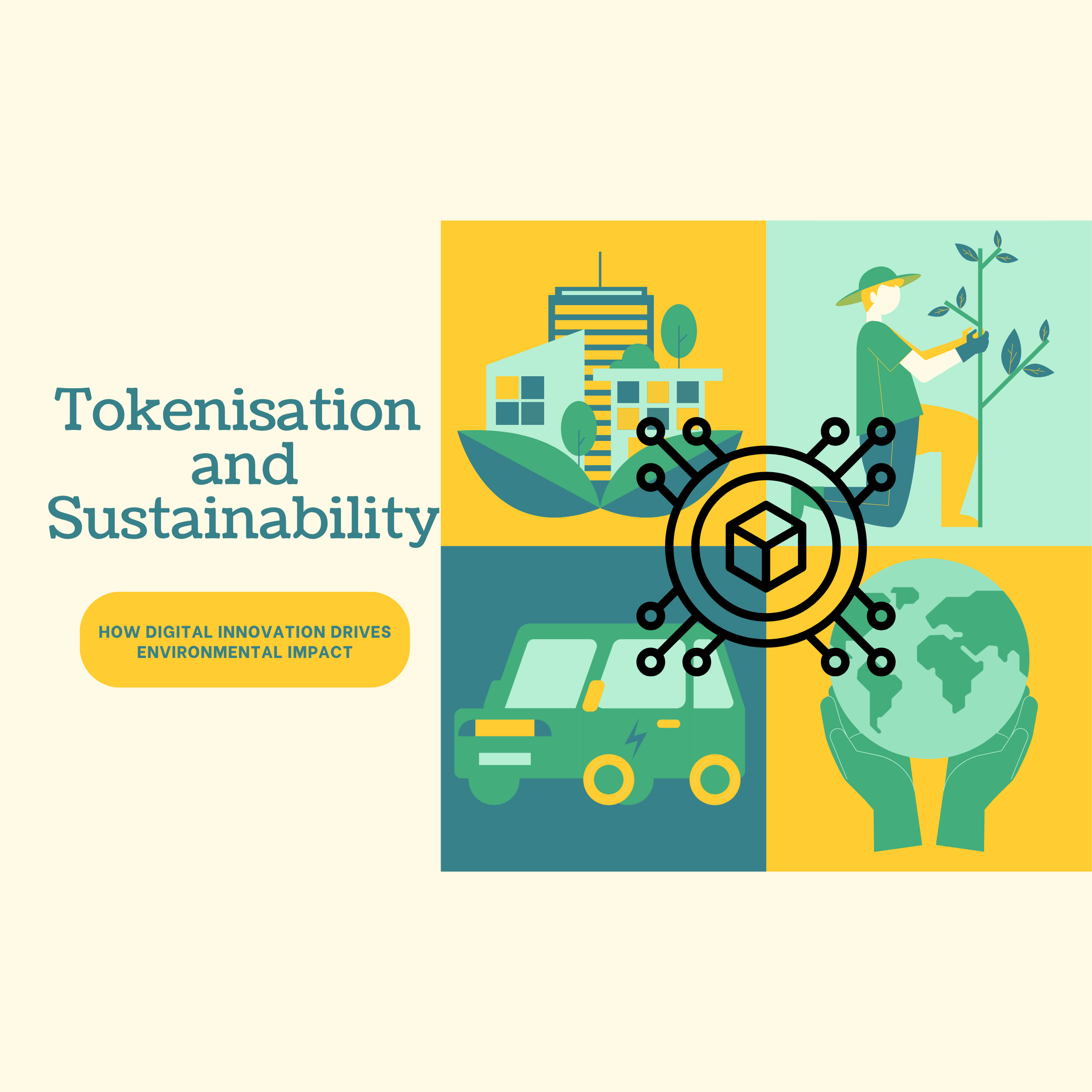
Exploring the impact of tokenisation on Environmental Sustainability is imperative. Blockchain tokenisation transforms environmental assets into digital tokens, enabling transparent carbon credit trading and renewable energy tracking. Organisations leverage this technology to achieve Environmental, Social, and Governance (ESG) goals while creating measurable sustainability outcomes. The convergence of digital innovation and environmental responsibility offers unprecedented opportunities for businesses to demonstrate tangible climate action.
Understanding Tokenisation in Environmental Context
Tokenisation converts asset ownership rights into digital representations on blockchain networks. This process applies to tangible assets like real estate and commodities, as well as intangible assets including intellectual property and carbon credits. The technology enhances transparency, reduces transaction costs, and facilitates streamlined trading mechanisms.
Blockchain networks provide immutable record-keeping for environmental assets. Organisations can track ownership transfers, verify authenticity, and prevent double-counting issues that plague traditional carbon markets. The technology eliminates intermediaries, reducing costs while improving access to sustainability initiatives.
Digital tokens represent fractional ownership of environmental assets. A single carbon credit — typically representing one metric ton of carbon dioxide equivalent — can be divided into smaller, tradable units. This fractionalisation democratises access to carbon markets, allowing smaller organisations and individuals to participate in climate action.
Carbon Credit Tokenisation: Transforming Climate Action
Carbon credits represent permits allowing organisations to emit specific quantities of greenhouse gases. The global carbon market reached $909 billion in 2023, yet traditional systems suffer from opacity, inefficiency, and verification challenges. Tokenisation addresses these systemic issues through blockchain-based solutions.
Transparency emerges as the primary benefit of tokenised carbon credits. Blockchain technology creates immutable transaction records, providing stakeholders with verifiable ownership trails. This transparency builds trust among market participants and ensures credits maintain integrity throughout their lifecycle.
Trading efficiency improves dramatically through tokenised carbon markets. Organisations can buy and sell credits instantly through digital platforms, replacing cumbersome manual processes. This efficiency enables real-time carbon accounting and supports dynamic pricing mechanisms that reflect true market demand.
Market accessibility expands through token fractionalisation. Small businesses and individual consumers can purchase fractional carbon credits, contributing to offset programs previously available only to large corporations. This democratisation accelerates global carbon reduction efforts by engaging broader stakeholder groups.
Tokenised Renewable Energy Certificates and Digital Innovation
Renewable Energy Certificates (RECs) represent the environmental attributes of clean energy generation. Each certificate corresponds to one megawatt-hour of renewable electricity. Tokenisation transforms these certificates into tradable digital assets, improving market efficiency and verification processes.
Energy tracking becomes more precise through tokenised RECs. Organisations can monitor renewable energy consumption in real-time, ensuring accurate reporting for sustainability goals. The technology provides granular data on energy sources, enabling companies to optimise their renewable energy procurement strategies.
Investment acceleration occurs when tokenised RECs attract new capital sources. Investors gain transparent access to renewable energy markets through blockchain platforms. This increased investment supports expansion of clean energy infrastructure and accelerates the transition from fossil fuels.
Leveraging Tokenisation for ESG Excellence
ESG reporting benefits significantly from tokenised environmental assets. Organisations can access real-time data on their carbon footprint, energy consumption, and waste production. This continuous monitoring enables dynamic sustainability strategies and demonstrates measurable progress toward climate goals.
Accountability mechanisms strengthen through blockchain-based tracking systems. Stakeholders can verify sustainability claims independently, reducing greenwashing risks. The technology provides auditable trails for all environmental initiatives, supporting regulatory compliance and stakeholder confidence.
Innovation partnerships flourish when organisations collaborate on tokenised sustainability platforms. Companies can partner with technology firms to develop custom solutions addressing specific environmental challenges. These collaborations drive technological advancement while creating scalable sustainability solutions.
Investment attraction increases for organisations demonstrating measurable ESG progress. Socially responsible investors seek verifiable sustainability data when making investment decisions. Tokenisation provides the transparency and measurement capabilities these investors require, facilitating access to ESG-focused capital.
Tokenisation: Challenges and Strategic Considerations
Regulatory uncertainty presents the primary challenge for tokenisation initiatives. Government frameworks for digital assets continue evolving, creating compliance complexities for organisations. Companies must navigate these regulatory landscapes while developing tokenisation strategies that remain viable across jurisdictions.
Technology integration requires substantial technical expertise and infrastructure investment. Organisations need blockchain development capabilities, smart contract programming skills, and cybersecurity measures. These technical requirements often necessitate partnerships with specialised technology providers or significant internal capability development.
Market volatility affects tokenised environmental assets similarly to other digital tokens. Carbon credit prices fluctuate based on supply, demand, and regulatory changes. Organisations must develop risk management strategies to handle price volatility while maintaining long-term sustainability commitments.
Interoperability standards remain underdeveloped across different blockchain networks. Organisations may find their tokenised assets incompatible with other platforms, limiting trading opportunities. Industry collaboration is essential to develop universal standards that enable seamless cross-platform transactions.
Strategic Implementation Framework for Tokenisation
Pilot programs provide the optimal starting point for organisations exploring tokenisation. Companies should begin with small-scale initiatives to test technology capabilities and market reception. These pilots enable learning and refinement before larger investments in tokenisation infrastructure.
Partnership strategies accelerate tokenisation adoption while reducing implementation risks. Organisations can collaborate with established blockchain platforms, technology vendors, and sustainability consultants. These partnerships provide access to expertise and infrastructure without requiring extensive internal development.
Stakeholder engagement ensures successful tokenisation initiatives align with business objectives and stakeholder expectations. Companies should communicate tokenisation benefits clearly to investors, customers, and regulatory bodies. This engagement builds support for sustainability initiatives and reduces resistance to technological change.
Future Outlook and Market Evolution
Market maturation will drive increased adoption of tokenised environmental assets. As regulatory frameworks stabilise and technology standards emerge, more organisations will integrate tokenisation into their sustainability strategies. This maturation will create larger, more liquid markets for environmental assets.
Technology advancement continues improving tokenisation capabilities and reducing implementation costs. Developments in blockchain scalability, smart contract functionality, and user interfaces make tokenisation more accessible to organisations of all sizes. These advancements will accelerate mainstream adoption.
Integration opportunities expand as tokenisation connects with other emerging technologies. Internet of Things sensors can provide real-time environmental data for tokenised assets. Artificial intelligence can optimise trading strategies and predict market trends. These integrations create comprehensive sustainability ecosystems.
Conclusion: Tokenisation as a Catalyst for Environmental Progress
Tokenisation represents a transformative opportunity for organisations pursuing meaningful environmental impact. The technology enables transparent carbon credit trading, efficient renewable energy tracking, and measurable ESG progress. Organisations embracing tokenisation can demonstrate leadership in sustainability while contributing to global climate goals.
The convergence of blockchain technology and environmental responsibility creates unprecedented opportunities for positive change. As regulatory frameworks mature and technology costs decrease, tokenisation will become essential for organisations serious about sustainability. The question is not whether to adopt tokenisation, but how quickly organisations can integrate this powerful tool into their environmental strategies.
Success in tokenised sustainability requires strategic thinking, technical capability, and stakeholder engagement. Organisations that develop these competencies now will lead the transition to a more transparent, efficient, and impactful approach to environmental stewardship. The future of sustainability is digital, and tokenisation provides the foundation for that transformation.